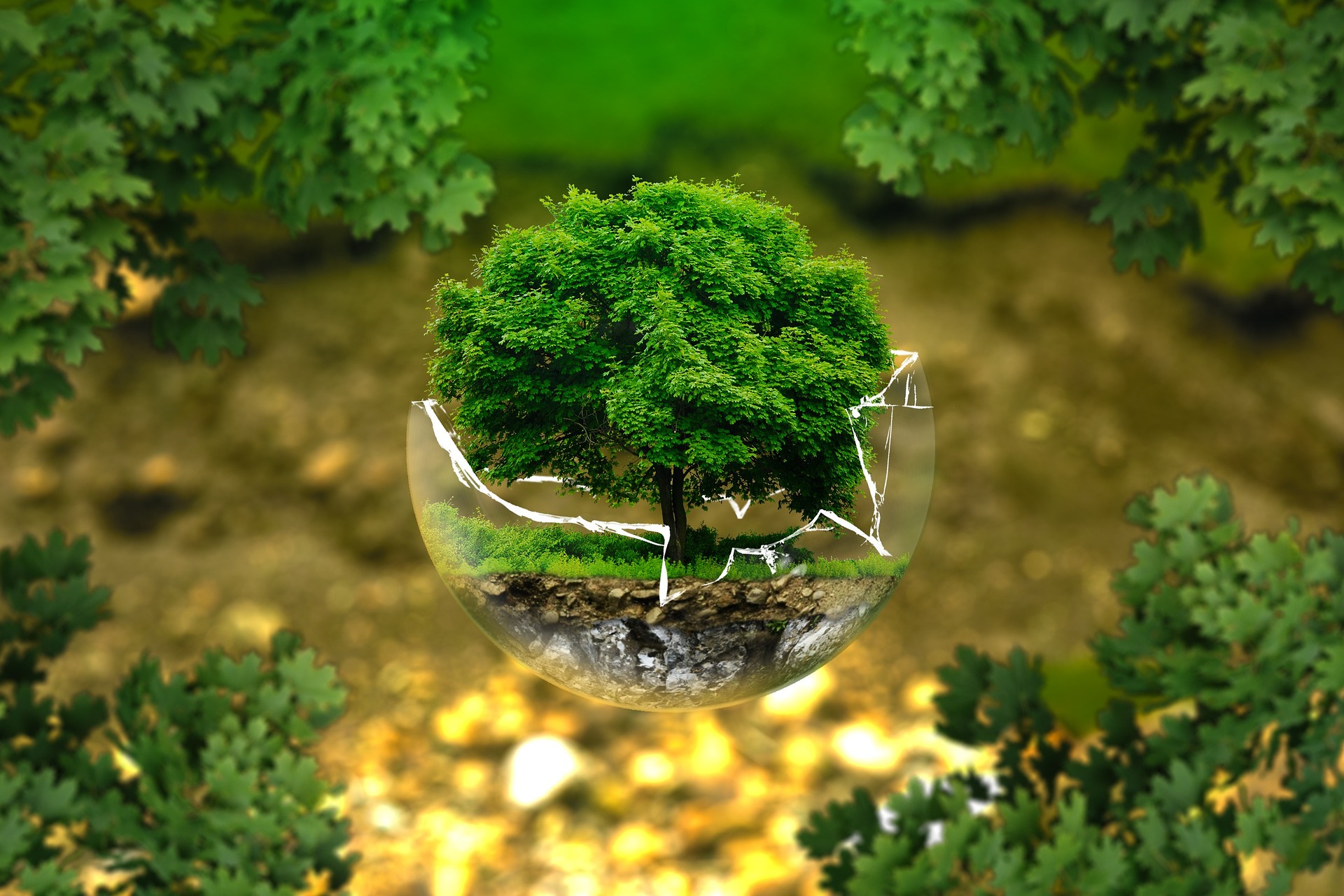
Sustainable Development Goal 15: Life on Land emphasizes the need for conservation efforts to protect terrestrial ecosystems and biodiversity. It is essential to take steps on preserving life on land, interconnecting land health and biodiversity through sustainable practices.
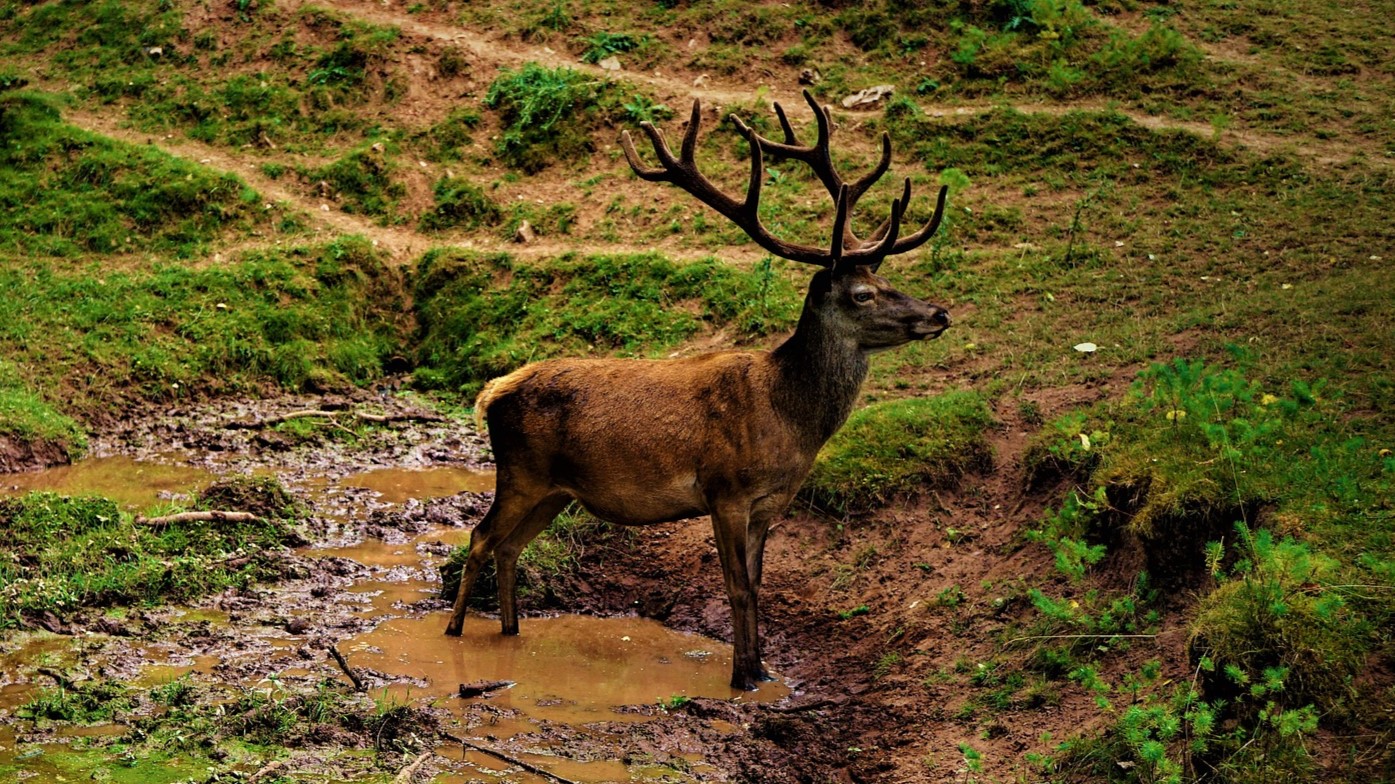
Sustainable Development Goal 15 is a poignant reminder of the urgent need to protect our terrestrial ecosystems and biodiversity. Immediate and sustained conservation efforts are essential to prevent further loss of wildlife and ensure the health of our planet for future generations.
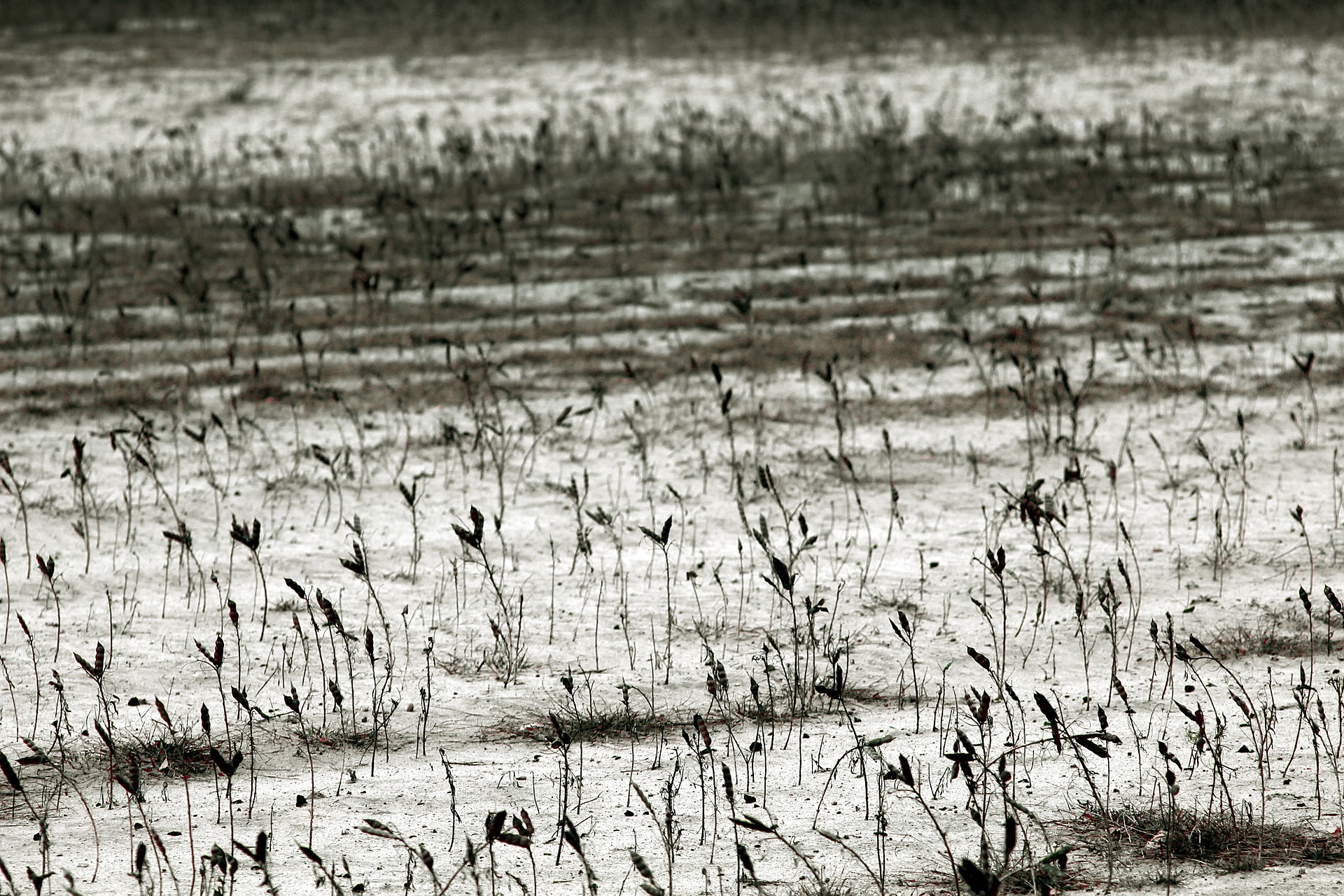
Land degradation has critical impact on productivity. Immediate action should be soughted to restore degraded lands and improve productivity.
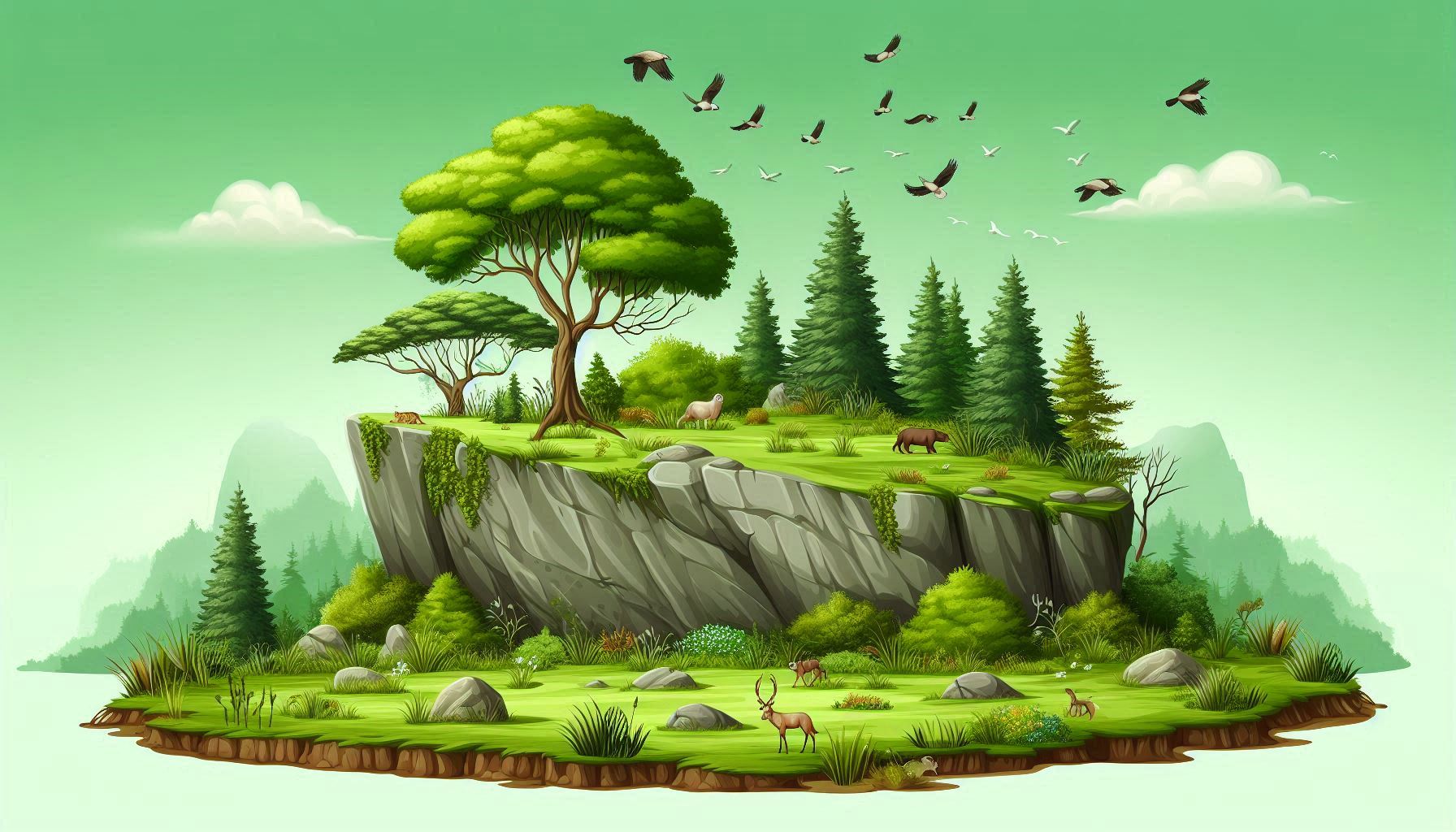
Nature and environment is critical to survival of all lives. They
provide oxygen
for survival, regulate weather patterns, pollinate crops, produce food, feed and
fibre. Nature and the environment are, however, under increasing pressure and
stress, mainly due to human activity. Human activity has affected nearly 75% of
the earth’s surface, and is squeezing wildlife and nature into an
ever-increasing smaller corner of the planet. Deforestation, species extinction
are just two of the many negative impacts on nature and the environment.
The goal of ‘Life on Land’ is critical towards supporting healthy ecosystems,
which in turn keep people and all forms of life healthy. Involvement of local
communities is a key aspect towards developing and managing such healthy
ecosystems.
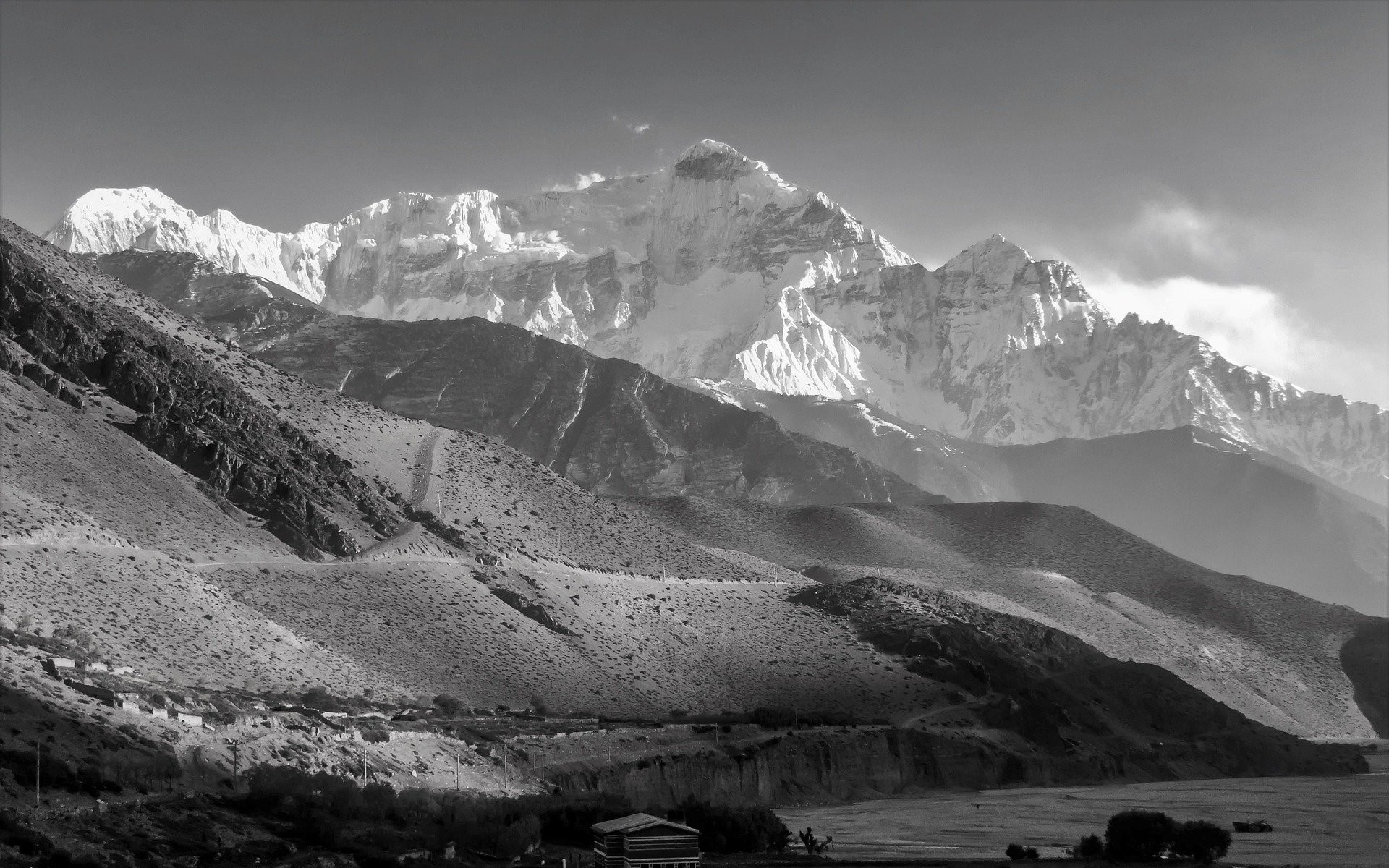
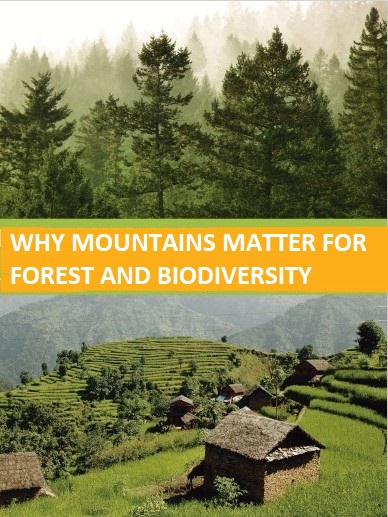
The Hindu Kush Himalayan (HKH) region is a global asset for food,
energy, water,
carbon, and cultural and biological diversity. It is home to four Global
Biodiversity
Hotspots and the source of ten large Asian river systems providing one of the
world’s
most extensive renewable freshwater supplies. The region provides ecosystem
goods
and services to millions of people in the mountains and more than a billion
people
living downstream. As the world around us changes, the HKH region is witnessing
rapid climate change, biodiversity loss, increased disaster risk, and rising
poverty and
inequality. The rapid and extensive degradation of the mountain biodiversity and
landscapes threatens the critical ecosystem services upon which billions depend.
Therefore, it is crucial to proactively engage ourselves in assessing these
changes and the potential long-term impacts through a select number of relevant
and measurable indicators that will demonstrate our contribution to specific
global goals and targets articulated in the UN Sustainable Development Goals
(SDGs).
↑